
VISIT USA
USA Tourist Visa from Bangladesh: Complete Information
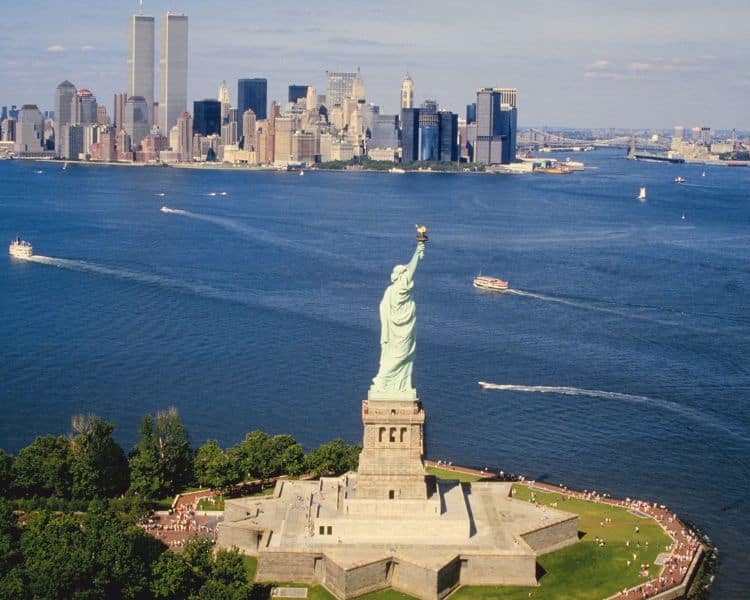
Going on a trip to the United States — whether for sightseeing, visiting family, attending a conference, or simply experiencing American culture — is an exciting plan for many Bangladeshis. But before your plane ticket and hotel booking can become reality, you must secure a USA Tourist Visa (commonly known as a B‑2 visa). The process may seem confusing at first, but once you understand the steps, requirements, and tips from experience, it becomes straightforward and manageable.
This guide will explain the USA Tourist Visa in a friendly, step‑by‑step way, specifically for applicants from Bangladesh. You will also learn insider tips on how to prepare for the interview, what officers often look for, and how to avoid common mistakes that cause refusals.
What Is a USA Tourist Visa?
A USA Tourist Visa (B‑2) is a non‑immigrant visa that allows you to travel to the United States temporarily for:
- Tourism and sightseeing
- Visiting family or friends
- Attending social or cultural events
- Receiving medical treatment
It does not allow you to work or study in the U.S. for long periods. If your goal is to work or study, you would need a different visa category.
Step‑by‑Step Process for Bangladesh Applicants
Step 1: Determine Your Visa Type
Most Bangladesh applicants applying for a U.S. trip choose the B‑2 Tourist Visa. Sometimes it is combined with a business purpose (e.g., conferences), and then it’s labeled B‑1/B‑2.
Make sure your reason for travel fits the B‑2 category. Tourism and visiting family are the most common.
Step 2: Complete the Online DS‑160 Form
This is the most important form in the process. The U.S. Department of State requires every applicant to complete the DS‑160 online.
You will need:
- A passport valid for at least six months beyond your intended stay
- A recent photograph meeting U.S. visa photo standards
- Personal and travel information
- Details of your visit — where you will stay, how long, and why you are visiting
Once completed, you will get a DS‑160 confirmation page, which you must print and bring to your interview.
Tip: Use a computer with stable internet and save your progress. The form can time out if inactive.
Step 3: Pay the Visa Fee
The visa processing fee for a U.S. Tourist Visa is non‑refundable. Pay it before booking the interview.
The U.S. Embassy in Dhaka provides instructions on how to pay the fee online or at bank locations licensed for payment. After payment, keep the receipt carefully — you need it for your appointment.
Step 4: Schedule Your Visa Appointment
With the DS‑160 confirmation and payment receipt, you can schedule your interview at the U.S. Embassy in Dhaka.
Bangladesh applicants generally attend their interview in Dhaka. The Embassy website will show available dates and times. Try to schedule in advance, especially during peak travel seasons (winter holidays, summer vacations, Ramadan/Eid).
What to Bring to the Interview
Bring the following:
- Passport (valid for at least six months after your trip)
- DS‑160 confirmation page
- Visa application fee receipt
- Photo, if not uploaded with DS‑160 successfully
- Proof of strong ties to Bangladesh (work letter, business ownership, property documents, family documents)
- Travel itinerary and accommodation details
- Financial proof (bank statements, savings, fixed deposits, or sponsor documents)
The officer does not need every single document you own — only strong evidence that you will return to Bangladesh after your trip.
Understanding the U.S. Visa Interview
Many applicants fear the interview, but it’s actually a short, straightforward conversation. The visa officer wants to understand:
- Why you are visiting the U.S.
- Whether you can support yourself financially during the trip
- Whether you have strong ties to Bangladesh
The interview usually lasts 2–5 minutes. Clear answers are more important than long explanations.
Common Interview Questions and How to Answer Them
Here are real questions U.S. visa officers often ask, with guidance on how to answer:
1. Why are you going to the United States?
Answer honestly. If it’s tourism, say so. If you’re visiting family, be specific: “I am visiting my sister who lives in New York.”
2. How long do you plan to stay?
Have a clear travel plan: “I plan to stay for 15 days, from September 10 to September 25.”
3. Who will pay for your trip?
Be truthful: “I will pay for it myself” or “My father is sponsoring my trip.” Have documents to support this.
4. What do you do in Bangladesh?
Explain your job, business, or studies. The officer wants to know you have a life to return to.
5. Do you have family in the U.S.?
If yes, be honest. Provide details like their status — citizen or permanent resident — and your relationship.
Tips for a Successful Interview
Be Honest
Never lie. The U.S. Embassy has access to extensive background checks. False information can lead to refusal or future bans.
Be Confident and Clear
Speak confidently but politely. Short and direct responses are often better than long, unclear explanations.
Show Strong Ties to Bangladesh
This is the most critical part of the interview. Officers want proof that you will return after your visit. Good examples of strong ties are:
- Permanent job or business
- Immediate family in Bangladesh (spouse, children)
- Property ownership
- Enrolment in study programs
Prepare Your Financial Documents
Your bank statements, business records, and income proofs should reflect stability. If you don’t have strong savings, a sponsor’s documents must clearly show their ability to support you.
Common Mistakes Visa Applicants Make
Here are mistakes to avoid:
1. Vague Travel Plans
“I want to visit the U.S. soon” is not specific enough. Have clear dates, destinations, and reasons.
2. Poor Financial Evidence
Weak or short‑term bank statements raise concerns. Provide enough funds for your trip period.
3. Not Understanding Ties to Bangladesh
Strong family, job, or business ties are essential. The officer must believe you will return.
4. Bringing Unnecessary Documents
Overloading the officer with irrelevant papers can distract from your actual case. Bring targeted, meaningful evidence only.
What Happens After the Interview
Approval
If approved, your passport will be taken to insert the visa. You will be told when and how to collect it.
Administrative Processing
Some applications require extra review. If your case goes into “administrative processing,” it does not mean rejection — it just takes more time.
Refusal
If refused, you will receive a form explaining the reason. Do not lose hope — many applicants reapply with stronger documentation.
How Long Is a U.S. Tourist Visa Valid?
Depending on your case, a U.S. Tourist Visa can be valid for 1 year, 5 years, or even 10 years with multiple entries. This means you can visit more than once as long as the visa is valid and each stay does not exceed the permitted time (usually up to 6 months per visit).
Tips for First‑Time Travelers to the U.S.
1. Plan Your Itinerary
Having a day‑by‑day plan helps you justify your visit during the interview.
2. Book Flexible Tickets
Don’t buy expensive non‑refundable tickets before the visa is granted.
3. Understand U.S. Entry Rules
The visa does not guarantee entry. The U.S. Customs and Border Protection officer at arrival decides how long you can stay. Keep your travel plan handy.
4. Respect U.S. Laws
Always follow the rules of your visa — no working, no overstaying, and respect local laws.
Why Many Bangladeshis Get Tourist Visas Approved
Bangladeshis with strong jobs, clear travel plans, stable finances, and real reasons for return have high approval rates. People traveling for family events, tourism, medical follow‑ups, or attending short courses are common successful cases.
Interactive Checklist Before You Apply
Use this quick checklist:
✔ Completed DS‑160 form
✔ Paid visa fee and scheduled interview
✔ Passport valid for 6+ months
✔ Printed DS‑160 confirmation
✔ Travel itinerary and accommodation bookings
✔ Employment/business proof
✔ Financial statements (3–6 months)
✔ Sponsor documents (if applicable)
✔ Property or family ties evidence
✔ Clear answers prepared for interview
If you can check off most of these, you are much better prepared than many applicants.ble—it can be the beginning of a strong international travel journey.
Get a free assessment