
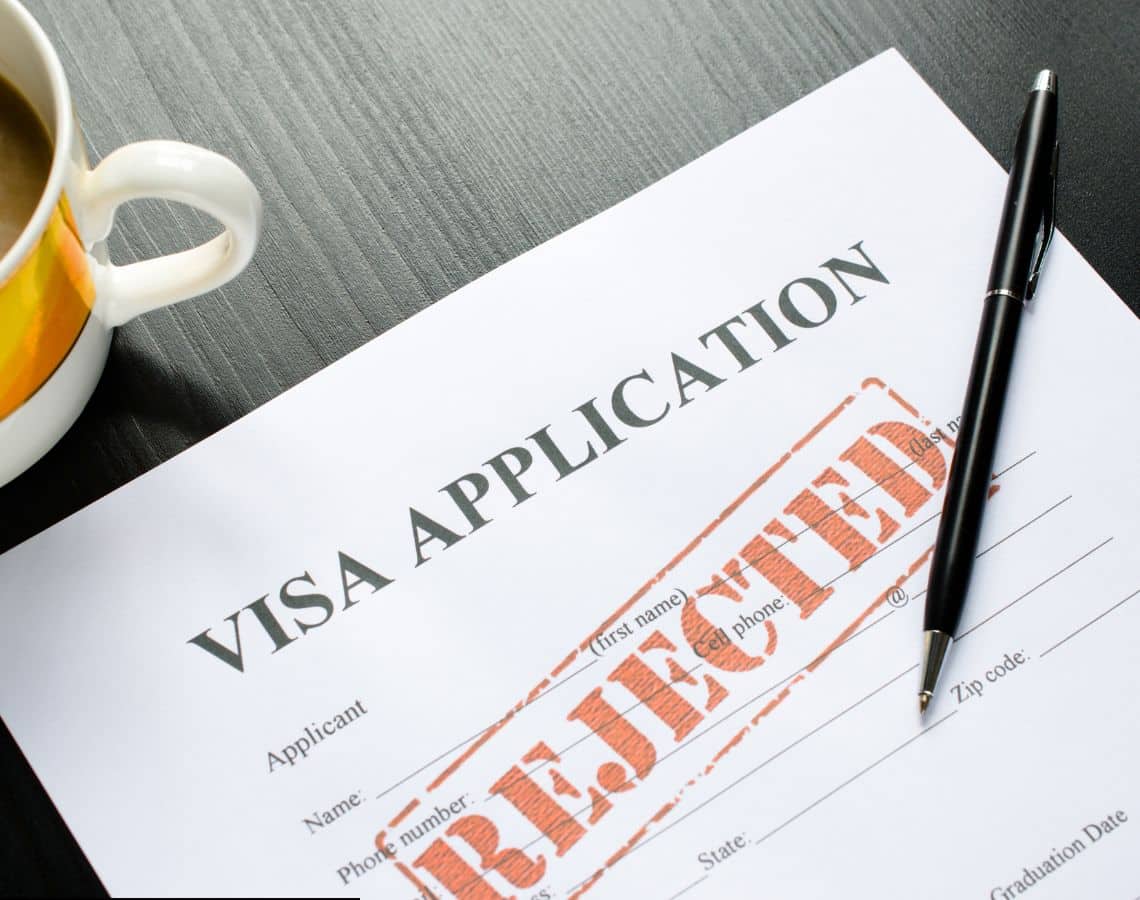
From the Gulf to Southeast Asia, Bangladeshi passport holders are facing some of the toughest visa barriers in recent years. What started as isolated concerns about overstays and documentation issues has now grown into a widespread challenge affecting tourism, business travel, and overseas employment opportunities.
Across multiple regions, countries have either stopped issuing visas to Bangladeshis or tightened requirements so severely that approvals have become rare. Tour operators and migration experts report that at least a dozen destinations have effectively closed their doors, while many others have introduced stricter scrutiny, longer processing times, and higher rejection rates.
Several countries in Southeast Asia and Central Asia, including Vietnam, Laos, Uzbekistan, and Kazakhstan, have suspended or sharply limited visa issuance for Bangladeshi nationals. India, traditionally a major destination for medical treatment, education, and leisure travel, is now granting visas mainly for limited categories such as medical and student purposes. As a result, overall travel volume to India has dropped significantly.
The situation is particularly concerning in the Gulf region and Malaysia, which have long been key labor destinations for Bangladesh. Countries such as the UAE, Oman, and Malaysia have stopped issuing visas for many low-skilled workers, citing concerns over recruitment fraud, forged documents, and violations of visa conditions. These restrictions threaten one of Bangladesh’s most important sources of overseas employment and remittance income.
Tourism has also been heavily affected. Popular destinations like Thailand and Indonesia are now taking weeks or even months to process visas, with rejection rates steadily increasing. Eastern European countries that once offered new opportunities for Bangladeshi workers have tightened controls amid concerns that migrants often move onward to Western Europe. In the European Union alone, tens of thousands of Bangladeshi visa applications were reportedly refused last year.
Government officials say diplomatic efforts are ongoing, but progress has been slow. The Ministry of Foreign Affairs has acknowledged that human trafficking, document forgery, and illegal migration have played a significant role in triggering stricter visa regimes worldwide. These concerns have made many countries adopt a more security-focused approach when dealing with Bangladeshi applicants.
Industry insiders point to forged bank statements, fake certificates, and misuse of visit visas as root causes of the current crisis. Such practices have damaged trust and created a situation where genuine travelers, students, and workers are increasingly treated with suspicion. In some cases, even travelers with strong travel histories are facing denials or deportation without clear explanations.
The impact on Bangladesh’s travel industry has been severe. Outbound tourism has reportedly fallen by more than half, while corporate travel has declined even more sharply. Many travel agencies are struggling to survive, and some fear closure if conditions do not improve. Political uncertainty and reputational concerns have further compounded the problem.
As visa hurdles rise, Bangladeshi travelers are shifting toward destinations with easier entry, such as Sri Lanka, Nepal, and Bhutan. However, this sudden demand has driven airfares sharply upward, making travel more expensive and less accessible.
Unless stronger measures are taken to address fraud, improve compliance, and rebuild international confidence, experts warn that visa restrictions on Bangladeshi passport holders may continue to tighten, with long-term consequences for migration, tourism, and global mobility.